1. Welcome Armenia at Maison du MédiaLab event
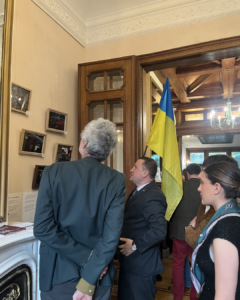
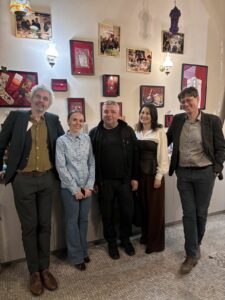
In late January 2026, an Armenian independent media correspondent joined the Maison du MédiaLab programme for the first time alongside Ukrainian, Moldovan, and Georgian reporters in Brussels. To mark this, Europe MédiaLab organised a cocktail reception in partnership with the Mission of Armenia to the EU on March 23. The event celebrated Armenia’s intensified and growing partnership with the EU and the role of independent media in this process. During the evening, a photo exhibition about Armenia’s democratic transition and partnership with the EU was inaugurated. His Excellency Ambassador of Armenia to Luxembourg, Belgium, and the EU, Tigran Balayan and Lusine Vardanyan, CivilNet resident correspondent at Maison du MédiaLab, delivered statements.
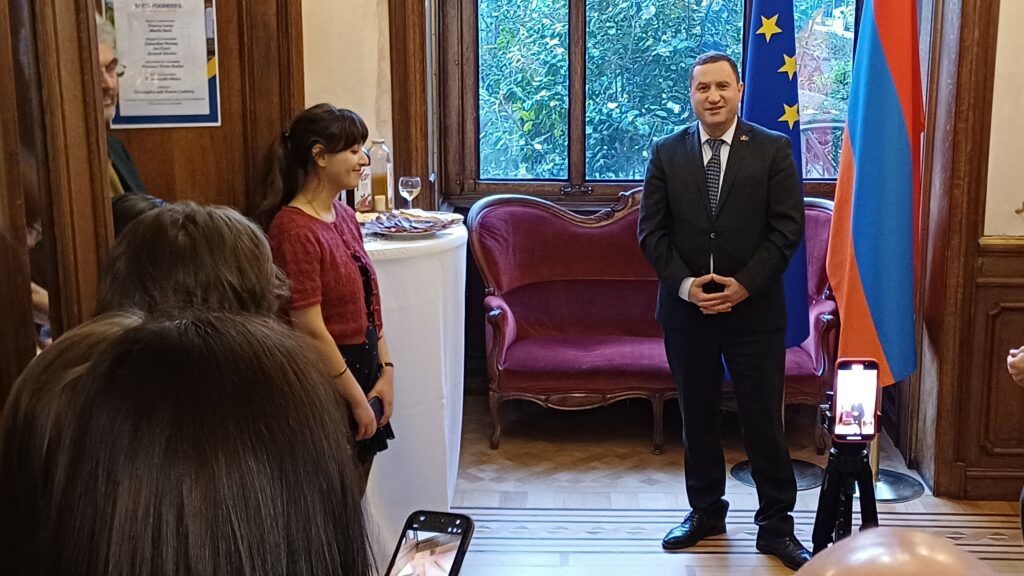
«Finally, Lusine is here, and this is not only a symbolic manifestation of the intensity of the engagement and partnership of Armenia and the EU, but also the proof that Armenia is finally within the journalistic cycle of Brussels,» said HE Ambassador Tigran Balayan.
«Freedom is a core value, and (being a journalist) I have the right job to stand for it. And this is true for many people in Armenia,» added Lusine Vardanyan.
At the event, Europe MédiaLab was also honoured to welcome Maksym Butkevych, Ukrainian journalist, human rights defender, civil society activist, officer of the Armed Forces of Ukraine, and cofounder of the Human Rights Centre ZMINA. After two years in Russian captivity, he now continues his fight for human rights.
2. Maison du MédiaLab residents covered the latest EU leaders’ summit & recent developments in UA and MD enlargement process.
On March 17, Ukraine and Moldova have “technically opened” all six negotiation clusters for EU accession, marking a significant step forward in their integration process. The technical progress allows for continued reform work on key areas like the fundamental rights and market integration. As the event marked a milestone for their home countries, Maison du MediaLab correspondents covered these important steps for their home audiences. The residents had the opportunity to ask questions directly to Marta Kos, EU Commissioner for Enlargement, covering a vital process for their countries.
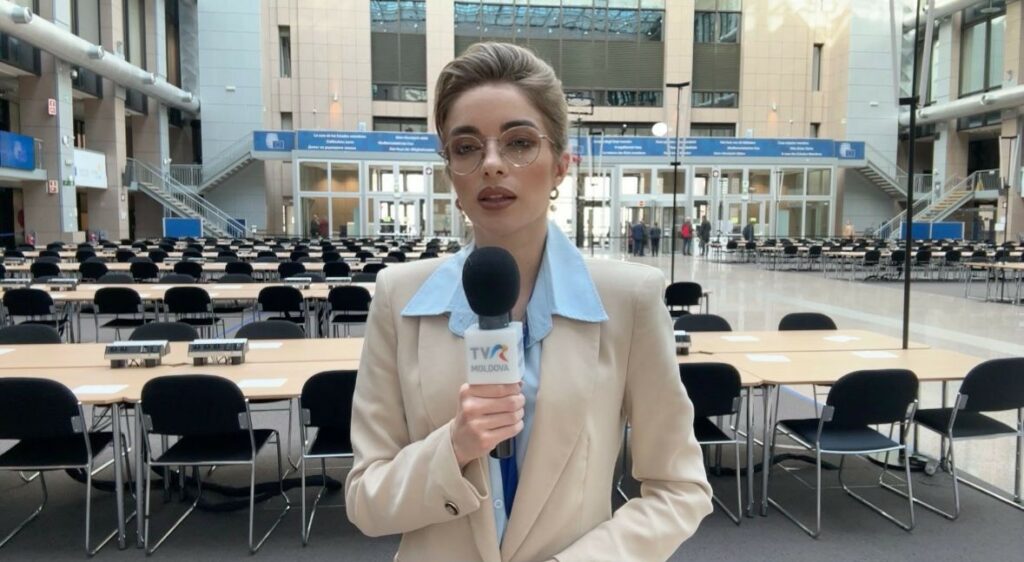
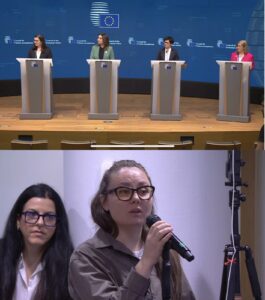
On March 19, Maison du MédiaLab correspondents also covered the formal EU Council meeting. EU leaders met in Brussels and adopted conclusions notably on Ukraine, the Middle East, competitiveness, the single market, and the EU’s Eastern regions. The residents were also able to attend President Macron’s press briefing, again providing their home audiences with news from the European Council, including asking questions to the EU Member States’ leaders.
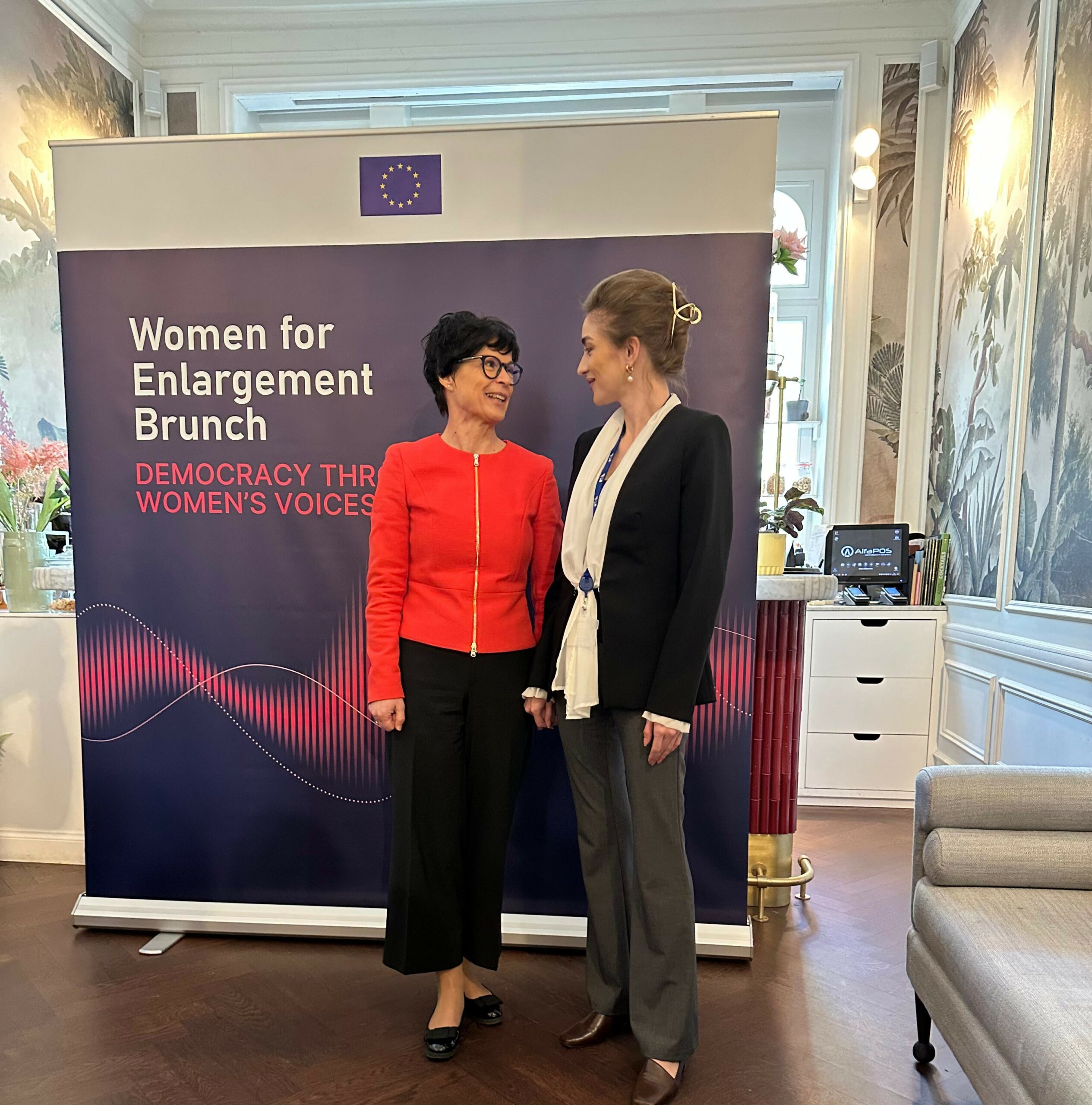
On March 30, Commissioner for Enlargement Marta Kos invited Maison du MédiaLab residents to the Women for Enlargement Brunch – Democracy through Women’s Voices. The brunch brought together women leaders from a wide range of backgrounds and experiences, offering a valuable opportunity to exchange perspectives on the challenges and opportunities women face in EU Member States and beyond. Europe MédiaLab was proud that its residents received a personal invitation, highlighting the synergies with DG Enlargement and that Commissioner Kos herself knows the residents personally.
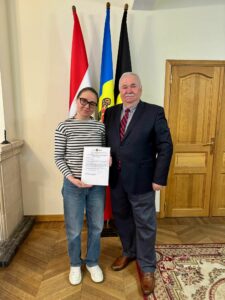
On March 31, His Excellency Viorel Cibotaru, Ambassador of the Republic of Moldova to the Kingdom of Belgium, presented Luminița Toma Maison du MédiaLab resident and correspondent for Teleradio Moldova with a letter of gratitude in recognition of her professional work in Brussels. The Embassy highlighted her valuable contribution to the accurate and balanced coverage of the parliamentary elections organised at the Embassy, as well as her ongoing commitment to reflecting the life of the Moldovan community in Belgium. For Europe MédiaLab, it was an honour to see her professionalism, dedication and journalistic sensitivity recognised by a representative of the Moldovan state.
3. Maison du MédiaLab correspondents’ study visits continue in Brussels!
The study visits continue even if the correspondents are already settled!
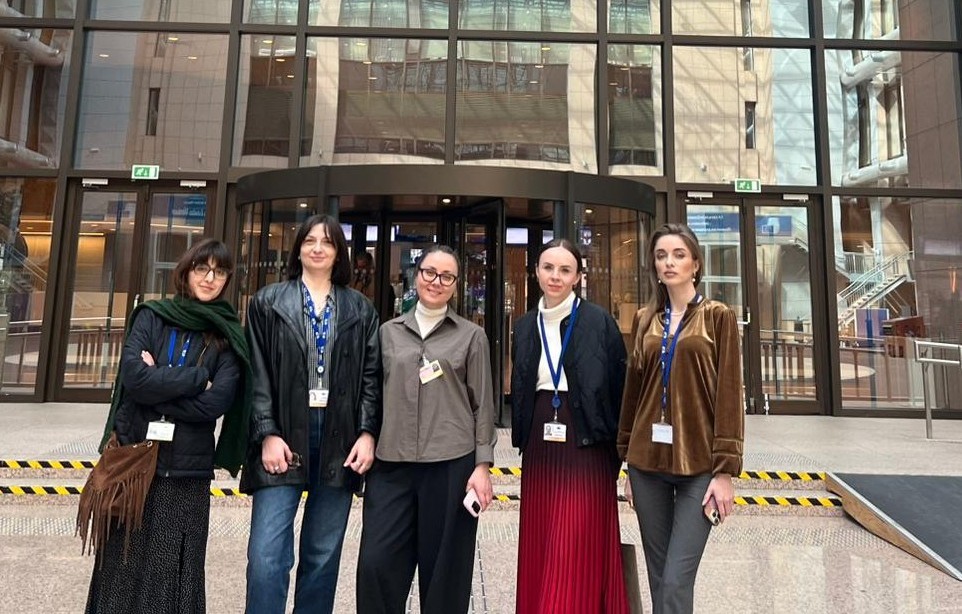
On March 25, Maison du MédiaLab correspondents visited the Mission of Switzerland to the EU. During the visit, they exchanged with diplomats on political and security cooperation between Switzerland and the EU, learned about the current priorities of the country in its relations with the EU, including Russia’s war in Ukraine, and wider strategic partnership. This visit allowed them to understand how a neutral European country is engaged in supporting peace and security in Europe.
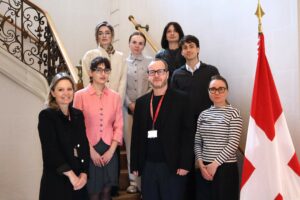
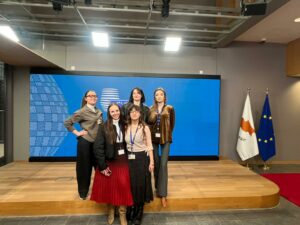
On 26 March, the group visited the European Council, where they met with its press officers. The session provided valuable insights into how journalists can access the information they need, as well as how information is selected and communicated. The group also gained a better understanding of how Council documents, conclusions and meetings are prepared.
4. Europe MédiaLab and other co-signatories’ Op-ed on Trusted European Platforms
If Europe wants a resilient digital ecosystem reflecting its values, regulation alone is not enough. Disinformation continues on platforms that are all foreign-owned, with X/Twitter’s reputation collapsing, but remaining central for journalists and politicians. This represents a threat to media resilience. For this reason, Europe should actively support Trusted European Platforms (TEPs): scalable alternatives built on European infrastructures.
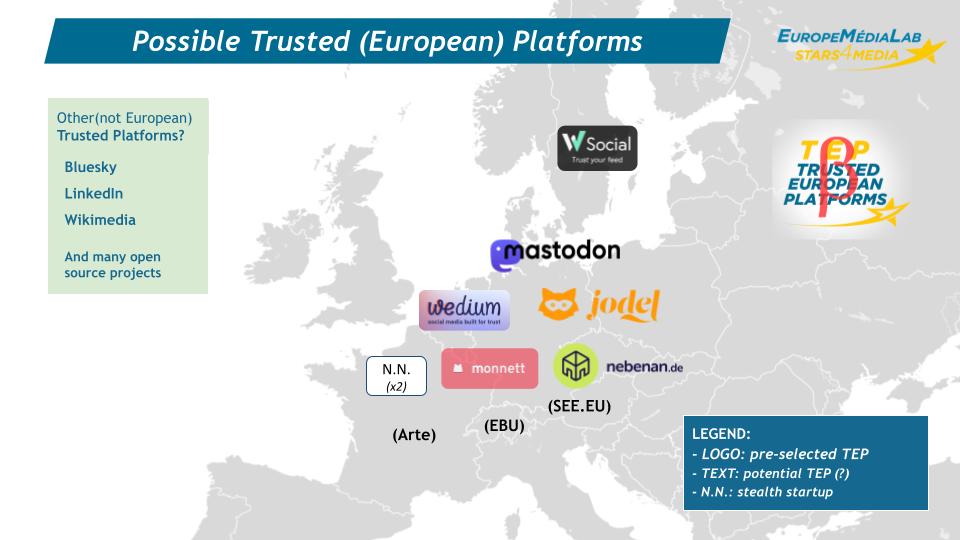
Europe MédiaLab and other co-signatories, including W Social and Monnett, have published an op-ed proposing a clear direction in view of the European Council that took place on March 19. Media outlets across Europe covered the initiative, reflecting rising interest among the public and within European circles.
5. Ukrainian book club at Maison du MédiaLab
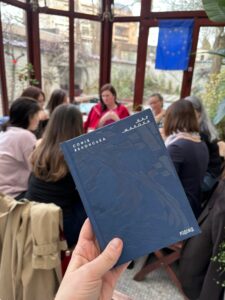
On March 2, Maison du MédiaLab hosted the book club of the Ukrainian Cultural Space, one of Maison’s partners. The discussion focused on “Char Maroka” (The Charm of Morocco) by the first Ukrainian photographer, Sofia Yablonska (1907-1971). From the pastoral landscapes of Ukraine to the far corners of the globe, Char Maroka is a travel novel and memoir detailing her experiences in Arab Africa during the early 1930s. The gathering of those passionate about Ukrainian literature showed again how culture can help in creating synergies and dialogue.
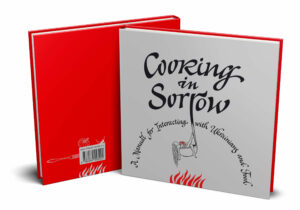
On April 28, Ukrainian Cultural Space will organise an event where participants will have the opportunity to taste authentic Ukrainian dishes while testing their knowledge through a playful quiz inspired by Yevheniya Kuznetsova’s Cooking in Sorrow. You can take part to have a chance to win a copy of the book in English. More info on Ukrainian Cultural Space’s LinkedIn profile.
6. Correspondents’ updates (Current residents only, while alumni do continue coverage)
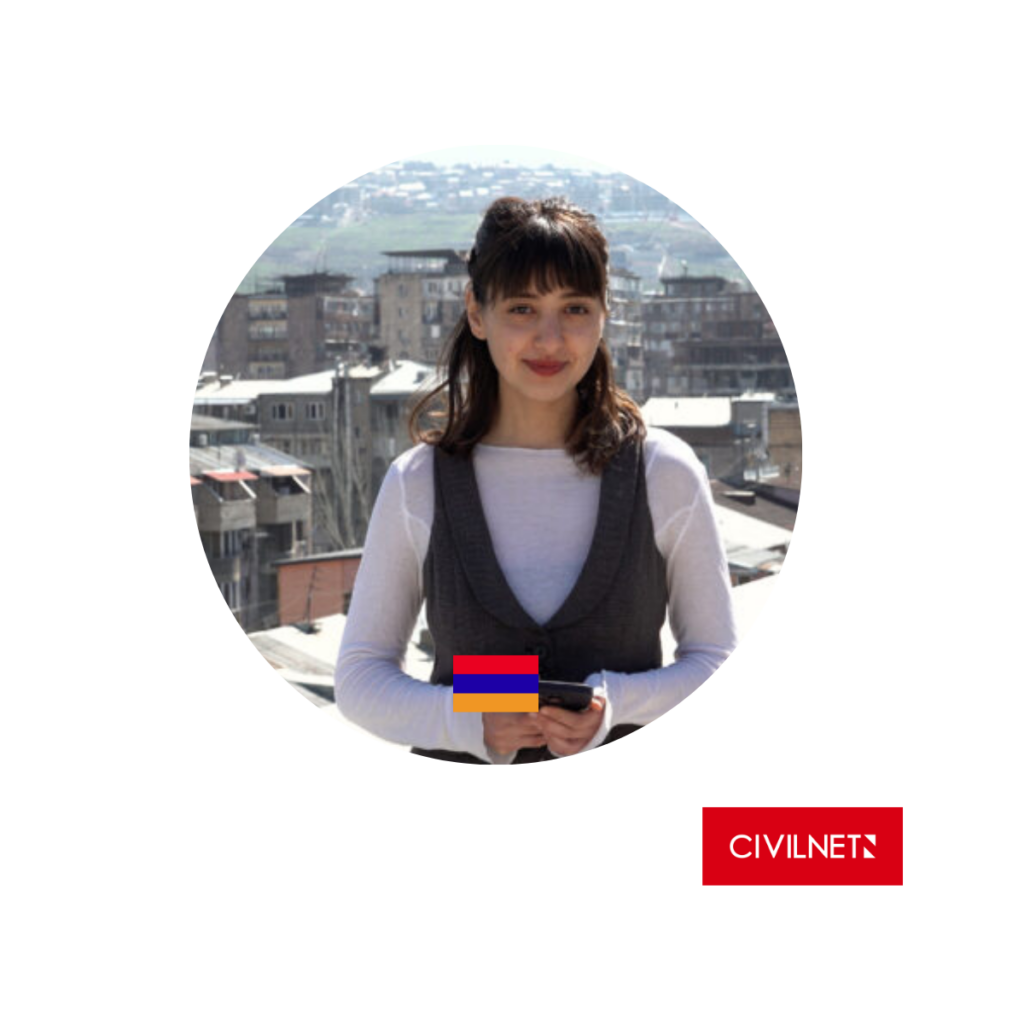
Nicoleta Botnaru
Diez.md (Moldova)
This month, Nicoleta Botnaru followed the latest developments in the European Union enlargement process concerning Moldova, including the European Parliament’s call to accelerate the process. She also interviewed Igor Grosu, President of the Parliament of Moldova, about the Memorandum of Cooperation establishing a common framework to support parliamentary democracy, signed by the European Parliament and the Parliament of the Republic of Moldova.
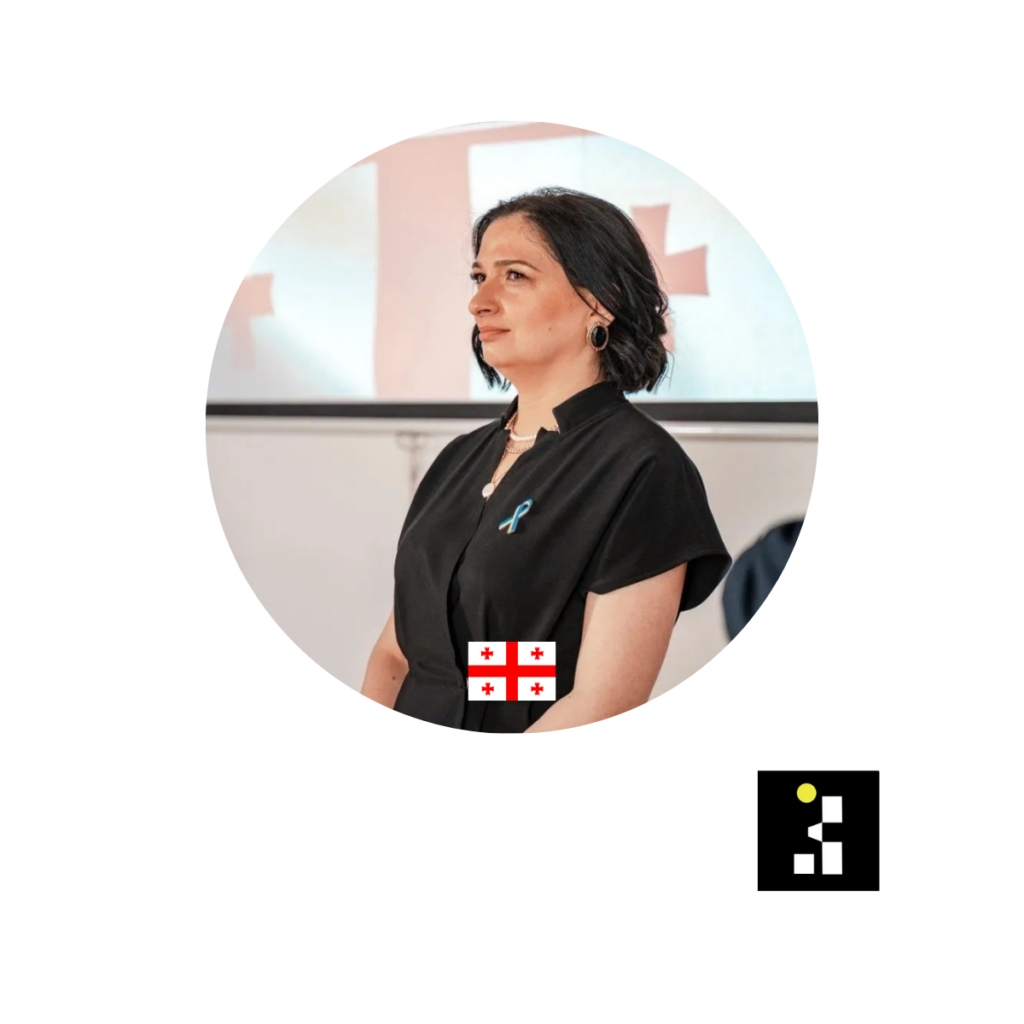
Tamta Nachkebia
Publika (Georgia)
In March, Tamta Nachkebia reported on the European Parliament’s agenda concerning Georgia, with a particular focus on discussions held within the Human Rights Subcommittee. She also covered how the issue was addressed during the EU Foreign Affairs Council meeting, where it was included on the agenda at the request of Germany and France.
«Without independent media, without the engagement of independent media, without criticism from the independent media, we Armenians couldn’t have built a European Union-Armenian Partnership.» – HE Ambassador Tigran Balayan.