1. Third wave arrived at the Maison: Reception Night and Stars4Media Day
This month, Europe MédiaLab welcomed a new group of resident correspondents at the Maison du MédiaLab. Five journalists from Ukraine, Moldova, Armenia and Georgia have arrived and will be based in Brussels for the next six months. It is the very first time that an Armenian journalist will take part in the Maison du MédiaLab programme. In the following months, another journalist from Georgia will join their colleagues.
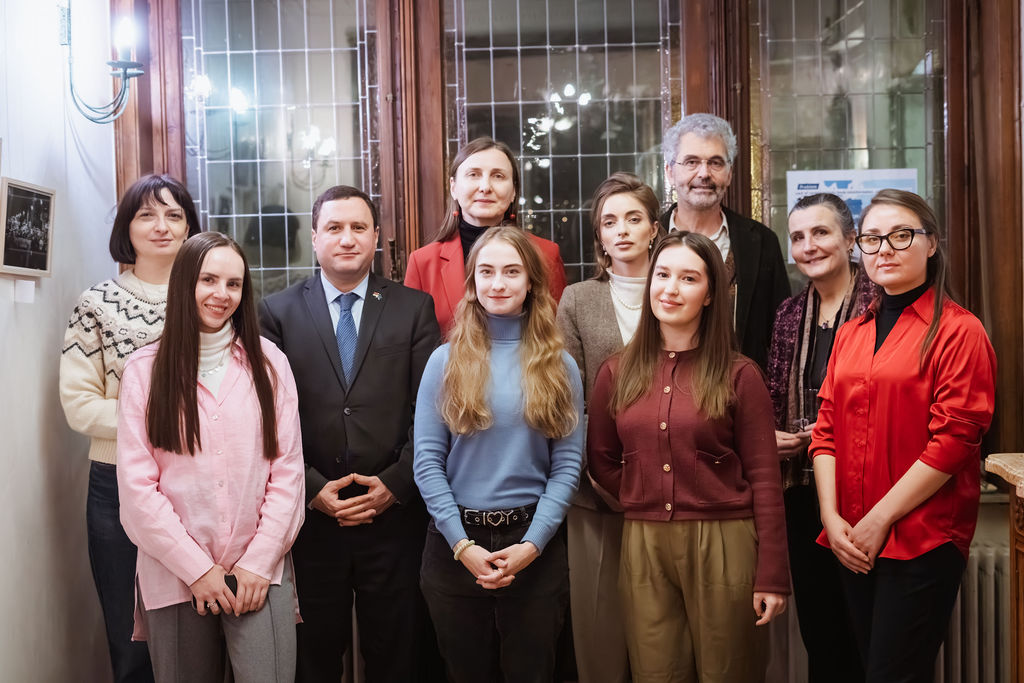
To mark their arrival, Europe MédiaLab organised a welcoming reception on 12 January at the Maison. The evening brought together Brussels journalists, diplomats, EU officials, business representatives, and supporters of the programme, as well as high-level guests including HE Tigran Balayan, Ambassador of Armenia to the EU, and HE Daniela Morari, Ambassador of Moldova to the EU.
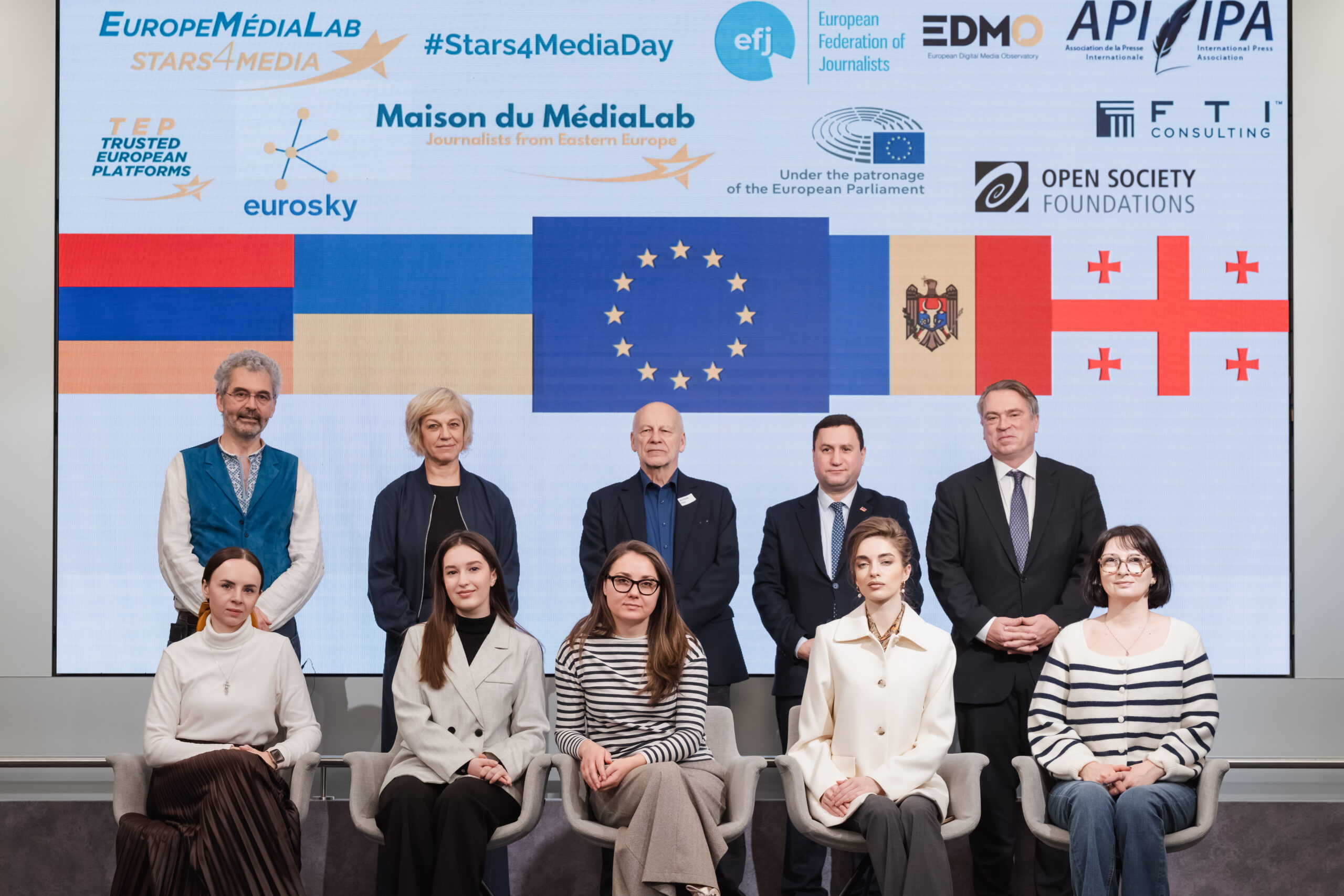
The following day, on 13 January, the journalists took part in the Stars4Media Day XII at the Résidence Palace in Brussels. The event gathered more than 250 journalists, senior EU policymakers, ambassadors, technology leaders, media and civil society representatives to discuss practical responses to Europe’s most pressing digital and democratic challenges. The journalists took a family photo with the Armenian Ambassador HE Tigran Balayan, Germany’s Permanent Representative to the EU HE Thomas Ossowski, Deputy Director-General at DG CNECT Renate Nikolay and Secretary-General of the Trans-European Policy Association (TEPSA) Jim Cloos.
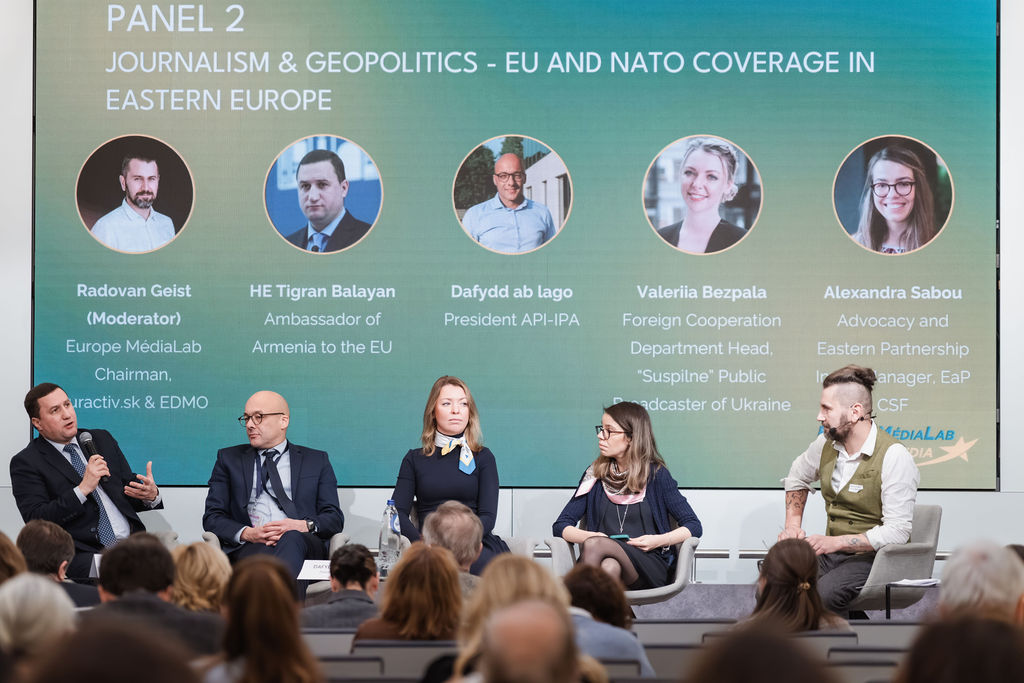
After strong opening keynote speeches, discussions focused on two main themes: 1) Europe’s digital sovereignty and trusted European platforms. 2) Journalism as a pillar of democracy in Europe. The debates focused on the media’s influence on perceptions of the EU and NATO, the crucial role played by Eastern European journalists in the EU enlargement process, and the financial pressures faced by independent media in the region. The panel “Journalism & Geopolitics – EU and NATO coverage in Eastern Europe” highlighted the role of correspondents and the lack of reporting on EU and NATO affairs for Eastern European audiences. Panel speakers included Valeriia Bezpala, Head of Foreign Cooperation Department, “Suspilne” Public Broadcasting Company of Ukraine. Suspilne was among the media outlets that sent a correspondent during the first wave of the Maison du MédiaLab programme.
2. Settling in Brussels: Maison du MédiaLab correspondents’ study visits
As a new wave of correspondents arrived, MédiaLab’s team organised a series of study visits to help the journalists understand faster the peculiarities of the Brussels media ecosystem and the EU institutions.
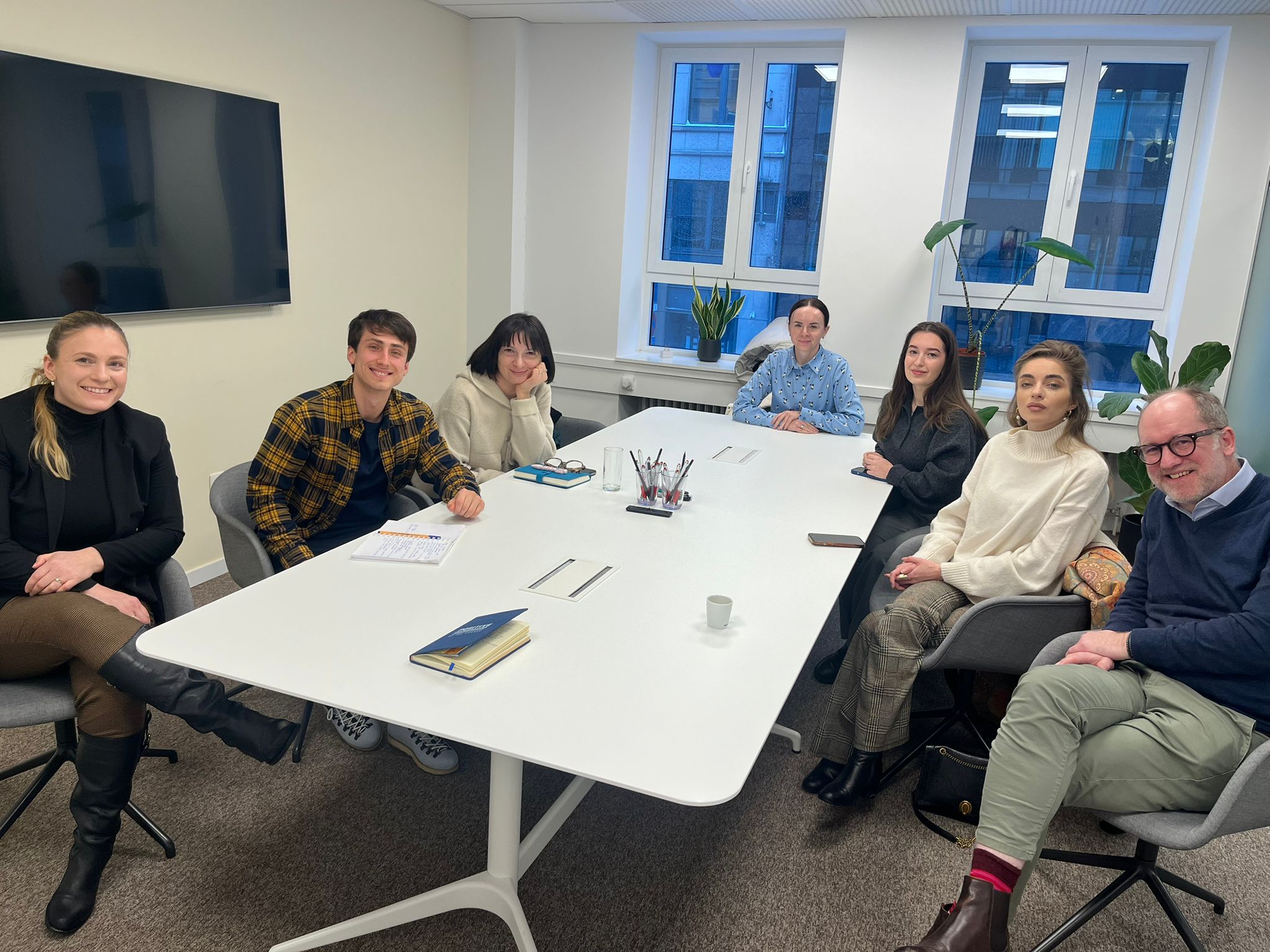
The visits started on 7 January, at MLex, a specialised media outlet that helps identify risks to business by closely tracking policy proposals, investigations and enforcement actions across Europe. Journalists exchanged their views on Brussels reporting and received valuable practical advice.
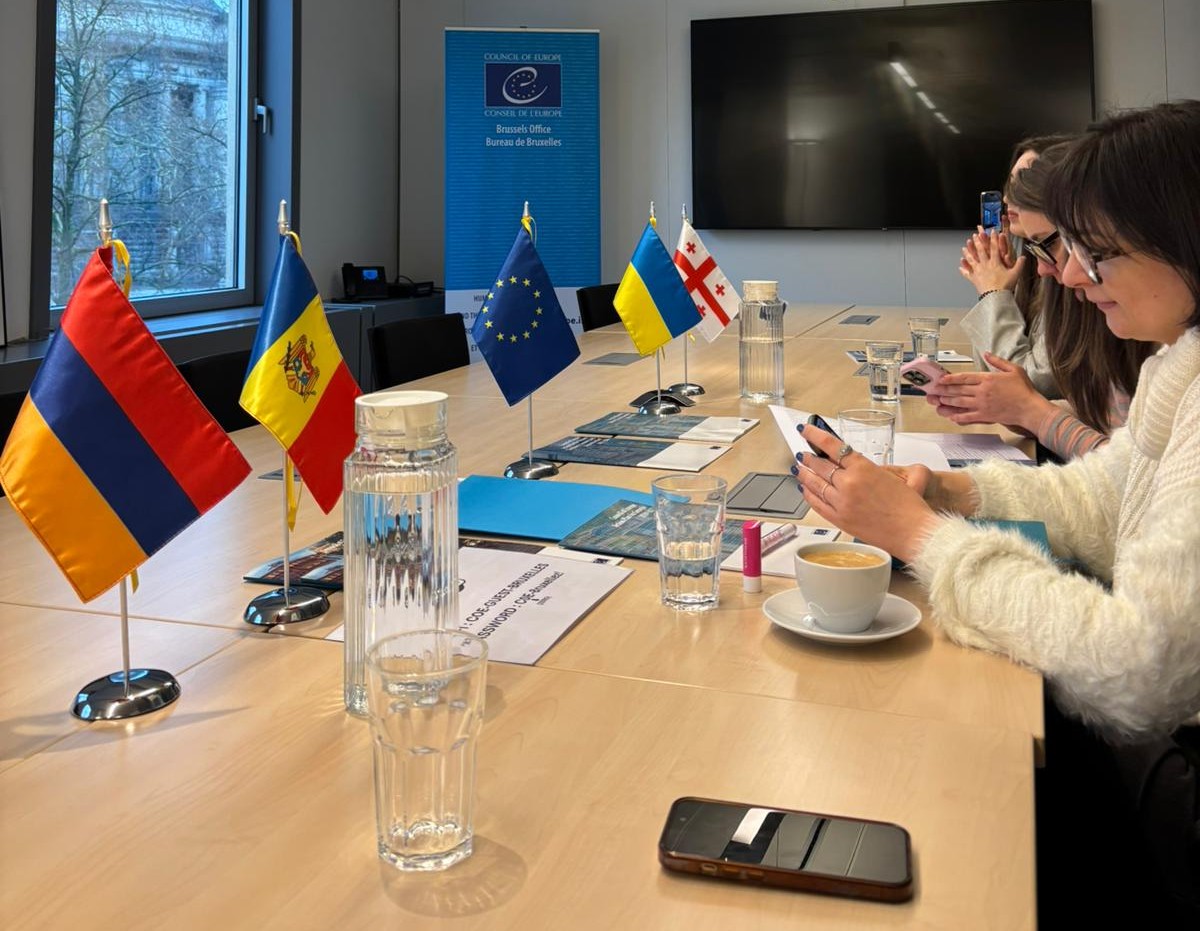
On 8 January, the group visited the Council of Europe’s Liaison Office to the EU to get insights about its role in promoting human rights, democracy and the rule of law across the continent and coordinating these crucial policies with the EU and its Member States.
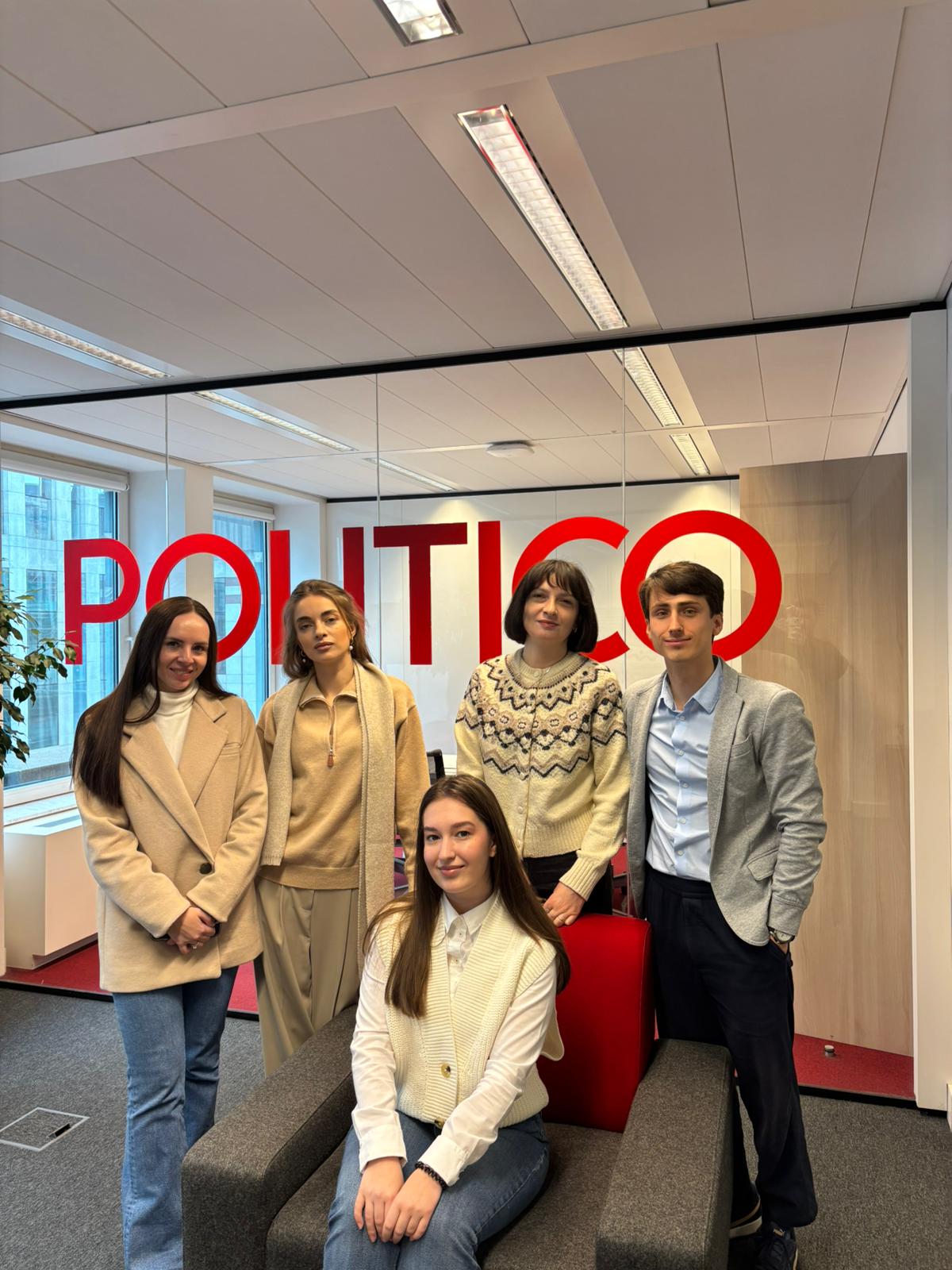
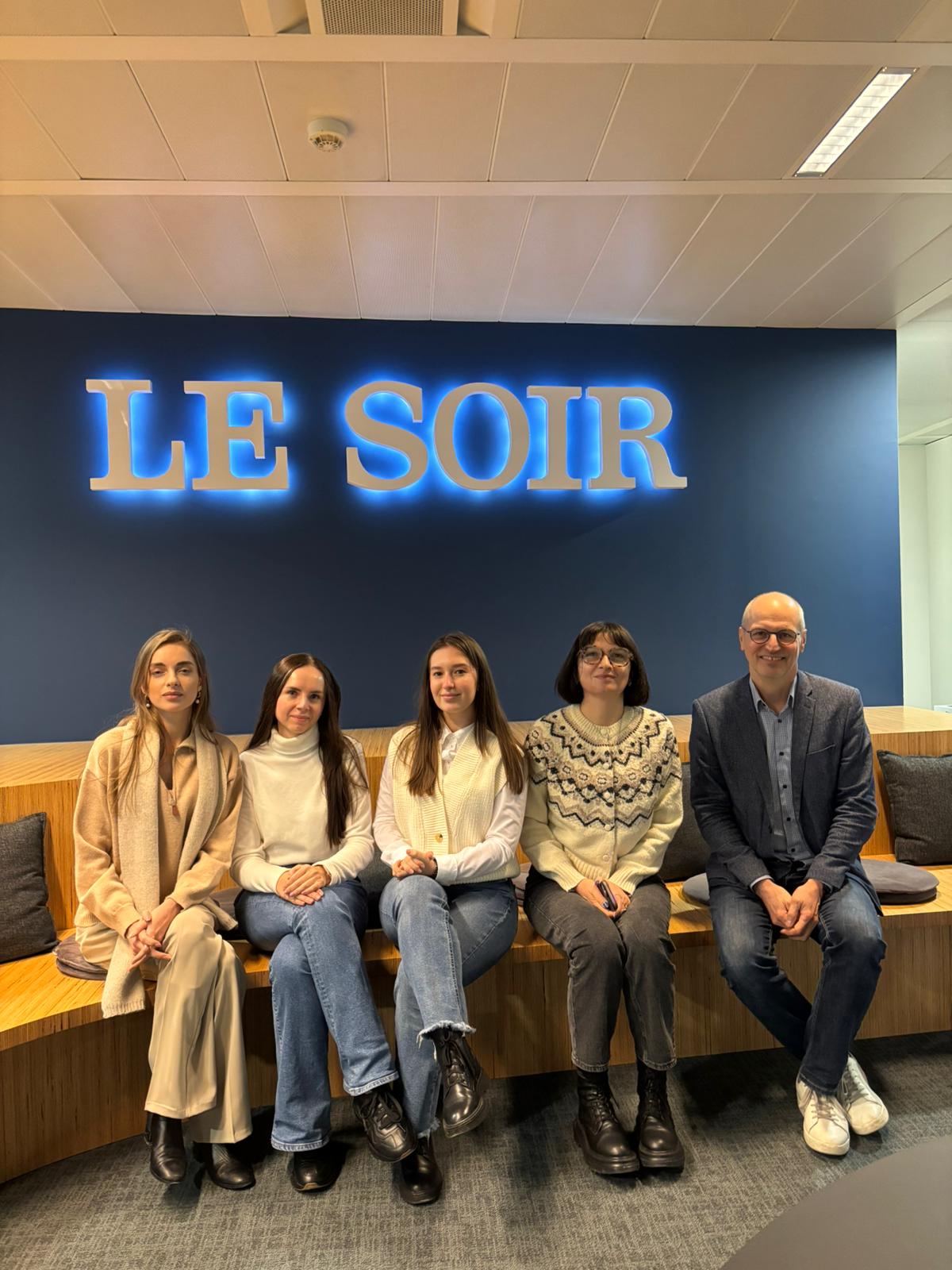
The following week continued with another two visits. The first one took place at the specialised media, Politico Europe, where journalists explored how EU policies are covered by one of the most influential Brussels-bubble media outlets. The second visit was at Le Soir, the most popular Francophone newspaper in Belgium. Journalists met their Belgian colleagues, covering Belgian politics, the EU and international affairs.
On 15 January, the group visited DG ENEST, a particularly relevant institution for their countries, as it oversees partnerships with Eastern European countries and the EU’s enlargement. The meeting allowed the journalists to understand the “human” aspect of their countries’ relations with the EU and ongoing cooperation.
The programme concluded on 20 January with a visit to TVP World, the Polish Public Broadcaster’s office covering EU, NATO and regional affairs from Brussels. On the same day, journalists also met with the officials of the European External Action Service (EEAS), the EU’s diplomatic service responsible for implementing the Common Foreign and Security Policy and representing the Union’s interests, including in correspondents’ countries.
3. Stand with Ukraine: December Reception at Maison du MédiaLab
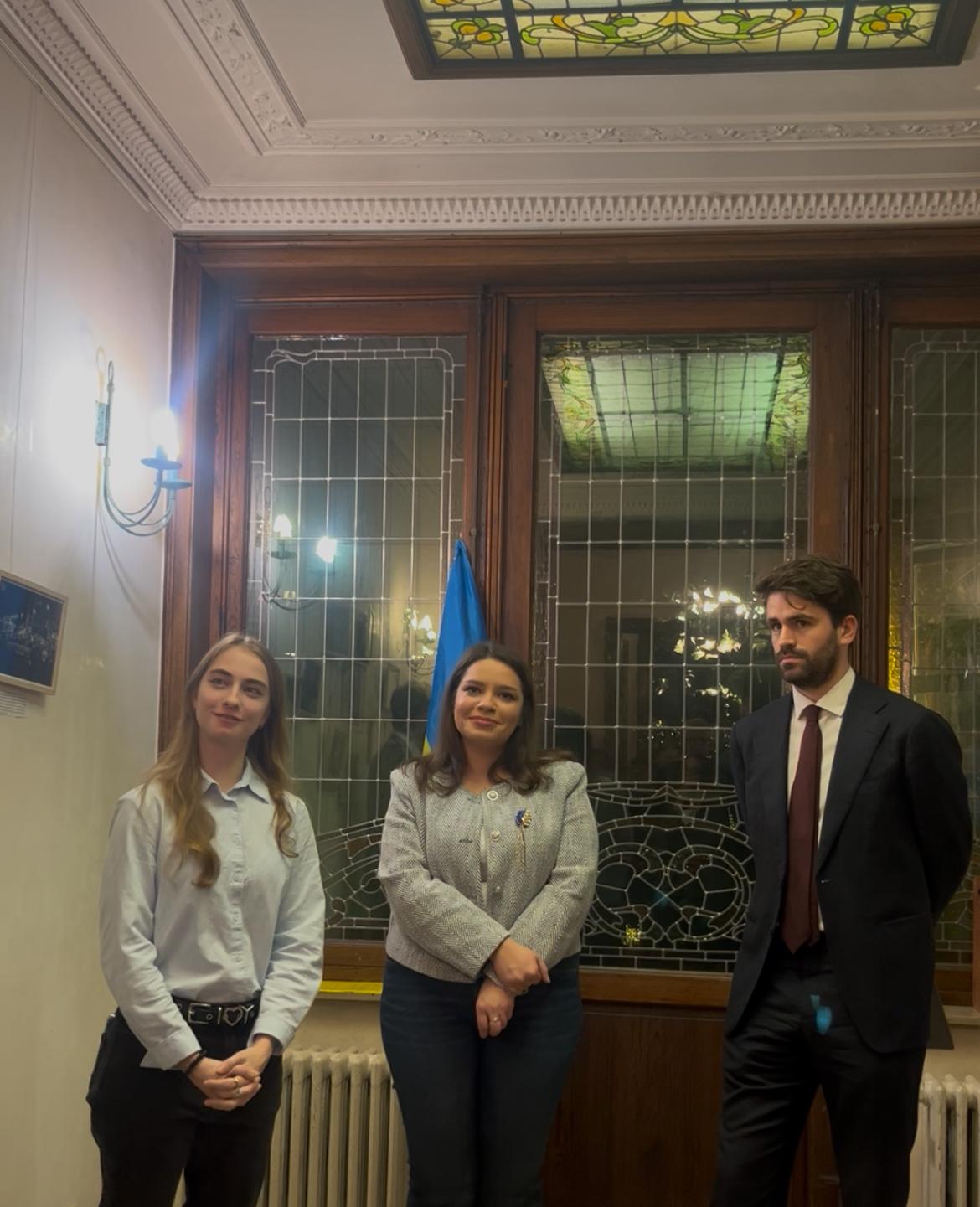
On 11 December, journalists from Maison du MédiaLab and Europe MédiaLab organised a networking reception dedicated to Ukraine, as the country continues to defend itself against Russia’s brutal war. The event offered an opportunity to gain deeper insight into the current situation in Ukraine and to reflect on its broader implications for Europe.
In their speeches, Milana Holovan and Olha Kyrylova, Maison du MédiaLab residents and correspondents from Eastern Ukraine shared their personal experiences from the early days of the invasion and reflected on what it means to work as a Ukrainian journalist in Brussels. Romain Le Quiniou, Managing Director of Euro Créative, also participated in the discussion by offering insights into how the conflict is perceived in Western Europe, as well as highlighting recent political and media developments.
4. Europe MédiaLab Team Christmas party at Maison du MédiaLab
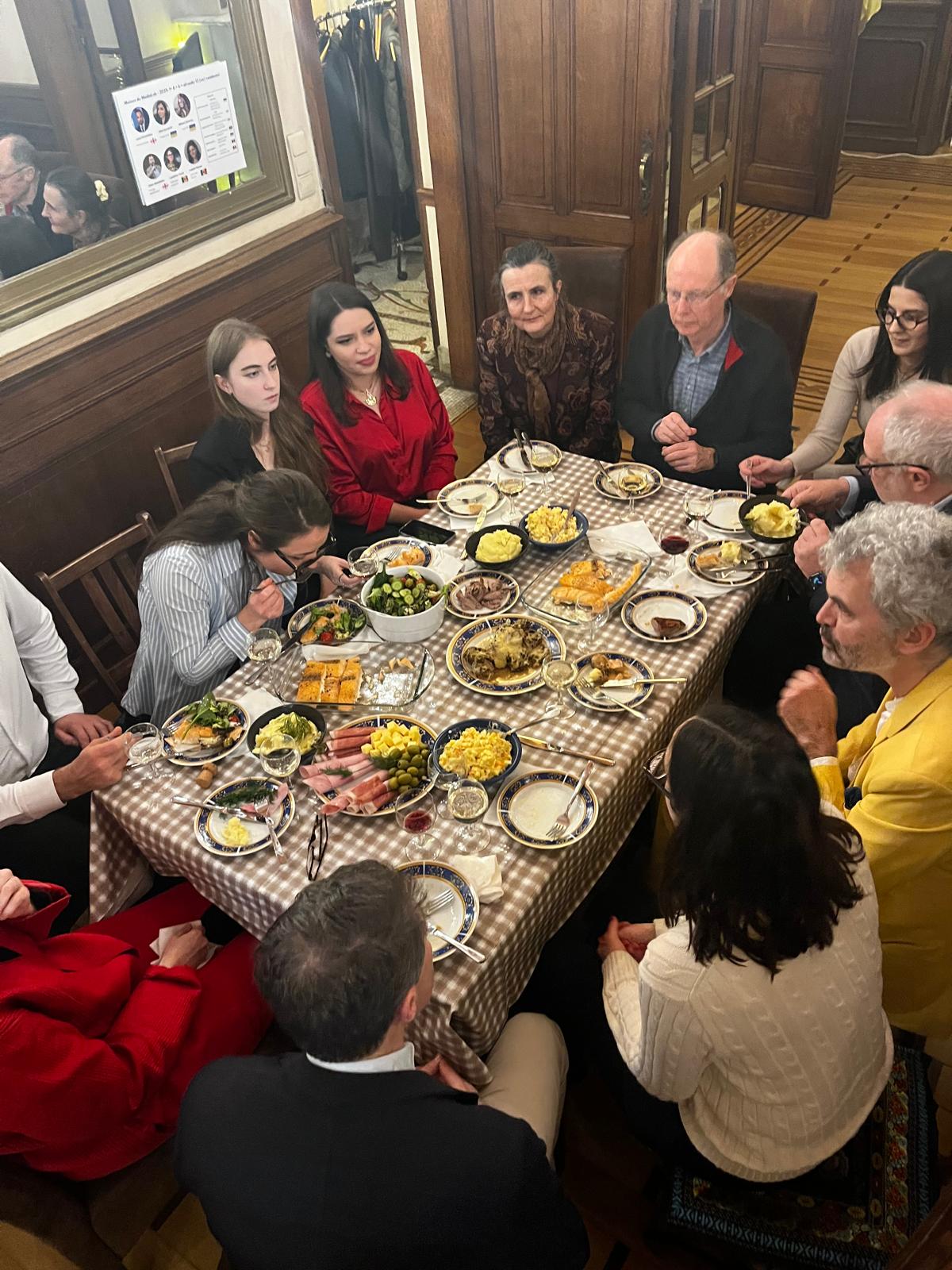
On 10 December, Maison du MédiaLab residents hosted a team Christmas dinner. The event offered a warm and convivial moment to exchange greetings and good wishes ahead of the holiday break. Correspondents from Ukraine and Moldova shared traditional Eastern European Christmas dishes and traditions, allowing guests to learn about festive traditions and enjoy fun facts through some games. At the same time, correspondents had the chance to learn more about Western European traditions, fostering mutual understanding and cultural dialogue.
5. From Principles to Features: The First Hackathon on Trusted European Platforms
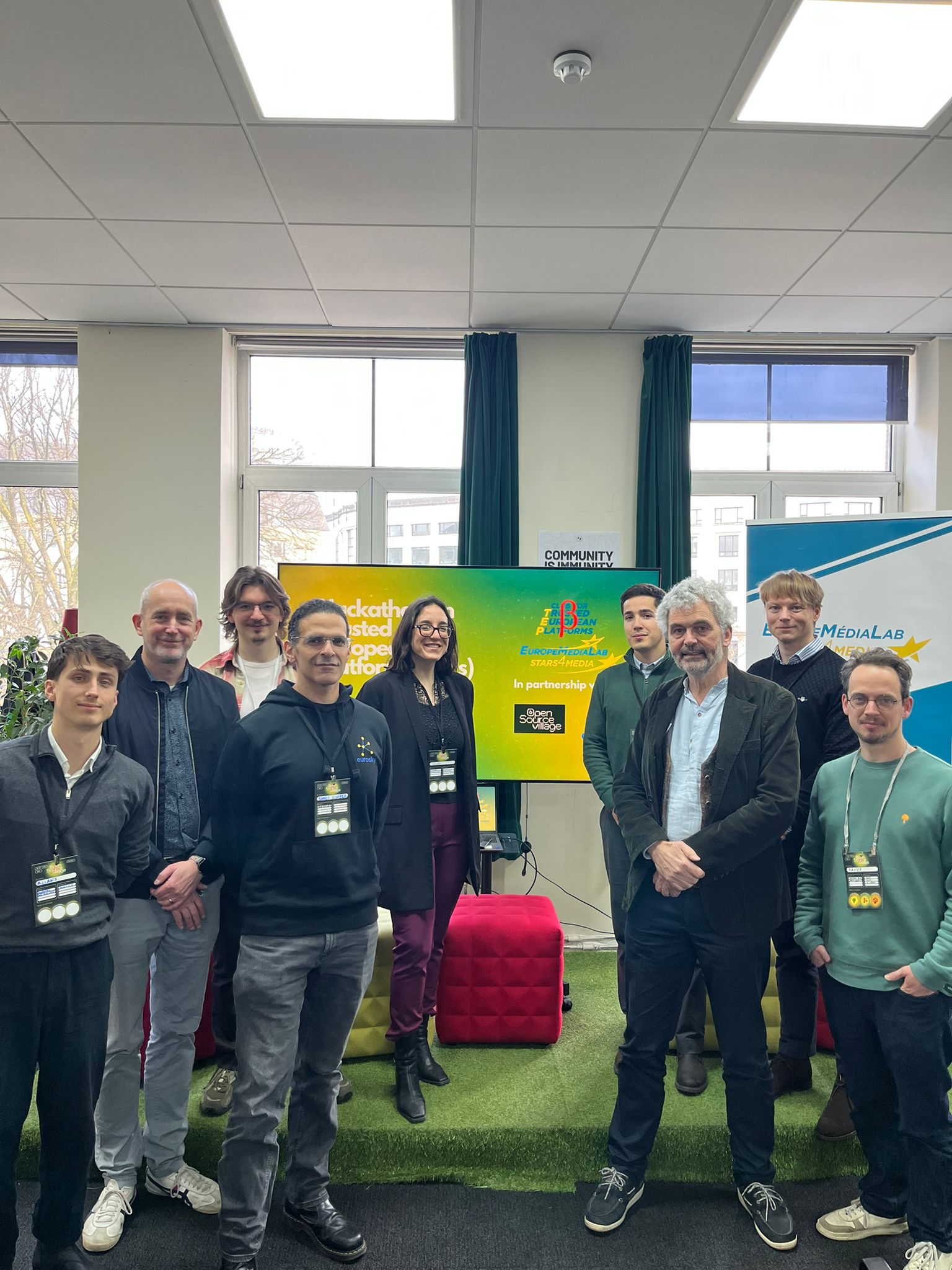
On 30 January, Europe MédiaLab and Eurosky organised a hackathon to turn the discussion on Trusted European Platforms (TEPs) into concrete technical features. The event was held in partnership with Commons Hub Brussels and took place alongside FOSDEM, which each year brings together thousands of free and open-source software developers from across the world.
The hackathon on TEPs brought together open-source developers eager to experiment with these new technologies and policy and business professionals from the media environment who were keen to explore viable alternatives to foreign platforms. The day started with a TEPs “appetiser”, where Christophe Leclercq, Aliaksandr Babiy (Europe MédiaLab (Stars4Media), Sherif Elsayed-Ali (Eurosky) and Björn Staschen (Save Social) introduced innovative programmes and opportunities.
Then, seven diverse teams, spanning different professional backgrounds and ages, worked intensively on shaping what TEPs could look like. Their ideas explored 𝐩𝐫𝐨𝐭𝐨𝐭𝐲𝐩𝐢𝐜𝐚𝐥 𝐟𝐞𝐚𝐭𝐮𝐫𝐞𝐬 𝐟𝐨𝐫 𝐬𝐨𝐯𝐞𝐫𝐞𝐢𝐠𝐧 𝐚𝐥𝐠𝐨𝐫𝐢𝐭𝐡𝐦𝐢𝐜 𝐭𝐫𝐚𝐧𝐬𝐩𝐚𝐫𝐞𝐧𝐜𝐲 𝐚𝐥𝐥𝐨𝐰𝐢𝐧𝐠 𝐭𝐨 𝐜𝐨𝐧𝐭𝐫𝐨𝐥 𝐬𝐨𝐜𝐢𝐚𝐥 𝐦𝐞𝐝𝐢𝐚 𝐟𝐞𝐞𝐝𝐬, 𝐭𝐫𝐮𝐬𝐭 𝐢𝐧𝐝𝐢𝐜𝐚𝐭𝐨𝐫𝐬 𝐚𝐧𝐝 𝐭𝐡𝐞𝐢𝐫 𝐠𝐫𝐚𝐧𝐭𝐨𝐫𝐬, 𝐚𝐬 𝐰𝐞𝐥𝐥 𝐚𝐬 𝐝𝐞𝐜𝐞𝐧𝐭𝐫𝐚𝐥𝐢𝐬𝐞𝐝 𝐦𝐨𝐧𝐞𝐭𝐢𝐬𝐚𝐭𝐢𝐨𝐧 𝐦𝐨𝐝𝐞𝐥𝐬 𝐭𝐨 𝐟𝐮𝐧𝐝 𝐢𝐧𝐝𝐞𝐩𝐞𝐧𝐝𝐞𝐧𝐭 𝐜𝐫𝐞𝐚𝐭𝐨𝐫𝐬 𝐚𝐧𝐝 𝐪𝐮𝐚𝐥𝐢𝐭𝐲 𝐣𝐨𝐮𝐫𝐧𝐚𝐥𝐢𝐬𝐦, 𝐚𝐧𝐝 𝐮𝐬𝐞𝐫𝐬 𝐚𝐬𝐬𝐢𝐬𝐭𝐚𝐧𝐭𝐬 to move their social media profiles to TEPs. The winning prototype was SIFT, developed by Quentin Laurent, Darin Verheijk and Pavlos Mikhailov. Their proposal focused on trust, transparency and user control, bringing together trust packs promoted by institutions, academia and communities. It proposed transparent and configurable algorithms and gave users the ability to define what content they want they see.
Interested in shaping the future of digital sovereignty in Europe? Follow Europe MédiaLab’s updates on TEPs on our Linkedin page.
Correspondents’ updates (current residents only, while former residents continue their independent coverage)
Carina Muller
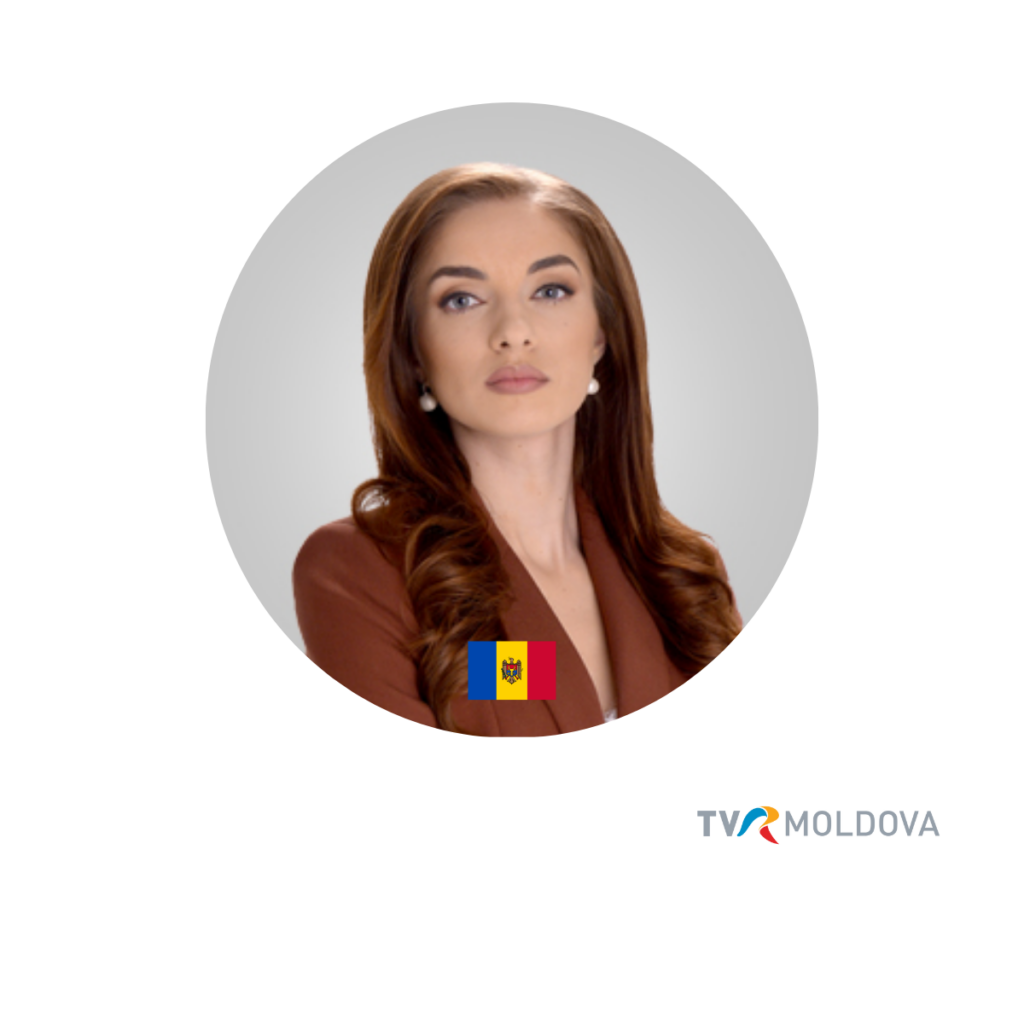
TVR Moldova (Moldova)
This month, Corina Muller reported on Moldova’s evaluation at the European Parliament under the new EU Reform and Growth Facility and the opening of the PACE winter session in Strasbourg, with Moldova’s President Maia Sandu.
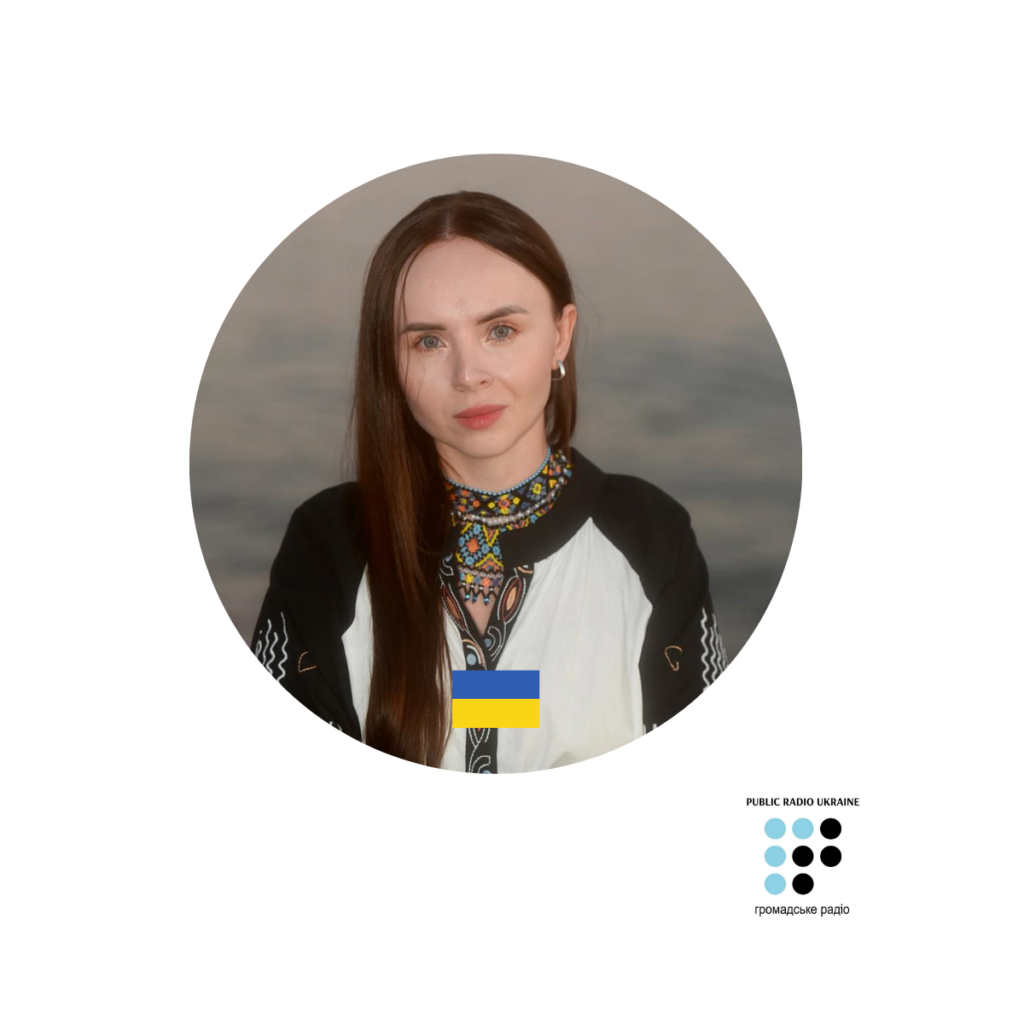
Tetiana Litvinova-Mykhalonok
Hromadske Radio (Ukraine)
In January, Tetiana Litvinova-Mykhalonok reported from Strasbourg during the EU Parliament plenary about the loan for Ukraine directly from Strasbourg. She also recorded a comment from MEP Petras Auštrevičius. She also covered the informal meeting of the members of the European Council.